Establishing A New Launch Site
Establishing a new launch site is one of the most challenging tasks in the rocketry hobby. It requires understanding of the TRA Unified Safety Code (TUSC), unified safety code - Tripoli Rocketry Association, learning state and local laws and regulations, and following the FAA process to obtain flight authorization for HPR. All this in addition to finding the actual launch site.
This process often takes significant time. It is not uncommon for new sites to take several months or longer to fully establish. Delays with FAA approvals, landowner concerns, or local restrictions should be expected. Patience and persistence are essential.
The information below provides general guidance. Because laws and requirements vary widely, local resources such as Prefects, club officers, and nearby Tripoli Prefectures are often the best source of jurisdiction-specific information.
It is strongly recommended that both airspace and ground site considerations be evaluated in parallel. Securing one without the other can result in wasted effort.
Airspace
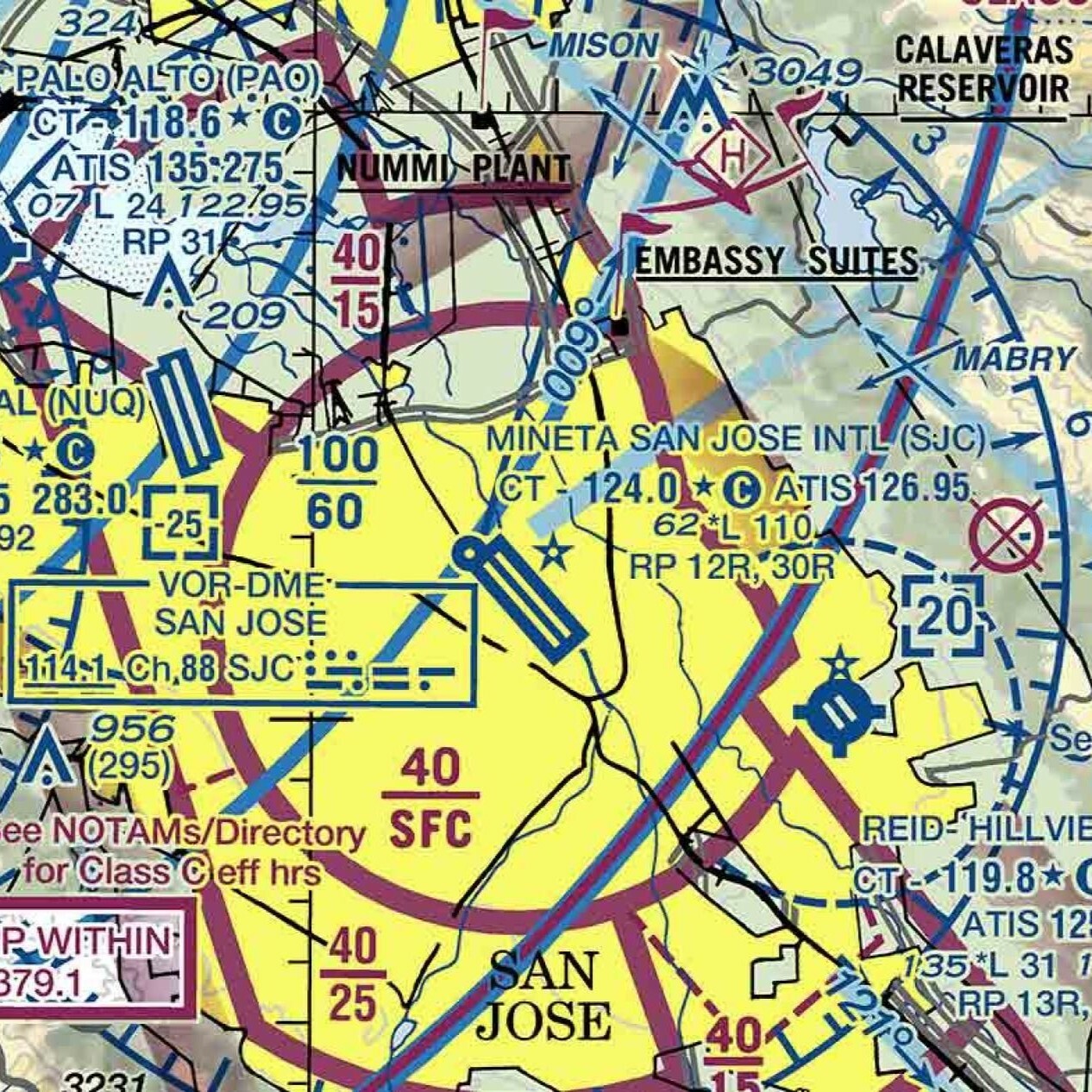
Sectional aeronautical charts from the FAA or commercial providers should be used to identify candidate areas. These charts highlight airports, controlled airspace, restricted areas, and other limitations that may impact launch operations
Sectional Aeronautical Chart.
Look for areas well clear of airports, military operations areas, and other restricted airspace. This will significantly improve the likelihood of obtaining FAA authorization.
For Class 2 rockets, defined as total impulse from 160.1 to 40,960 N-s (H through O motors), an FAA Certificate of Waiver or Authorization is required. This is submitted using FAA Form 7711-2
Certificates of Waiver or Authorization (COA) | Federal Aviation Administration.
The FAA recommends submitting waiver applications at least 45 days in advance, though earlier submission is strongly encouraged. Approval timelines can vary.
When a waiver is approved, it will include specific operating conditions. These must be followed exactly. In addition, the waiver must be activated prior to each launch through the required Notice to Airmen (NOTAM) process.
A waiver alone does not authorize flight without proper activation.
For operations involving Class 3 rockets (greater than 40,960 N-s total impulse), additional FAA coordination and review requirements apply.
Ground Site
Ground selection will depend on what is available in your area. Options may include private land, parks, recreation areas, Bureau of Land Management (BLM) land, or other public lands.
Site size requirements are driven by expected flight altitude, motor impulse, and safe distance requirements defined in the
Tripoli Unified Safety Code. At a minimum, any person or property not associated with the launch must be separated by the greater of 1,500 feet or one-quarter of the expected altitude. Know and understand the nearby buildings and confirm they are uninhabited. Refer to the Launch Site Criteria and Safe Distance Table in the TUSC for detailed guidance.
In some instances if you can get a waiver above 22,000 and in that instance FAA would grant you at Temporary Flight Restriction (TFR). In rural areas that prevents cropdusters, landowner, or nearby landowner aviation to fly which could be incompatible. In this case it may be better to pursue a lower waiver to avoid a TFR and conflict with other local aviation.
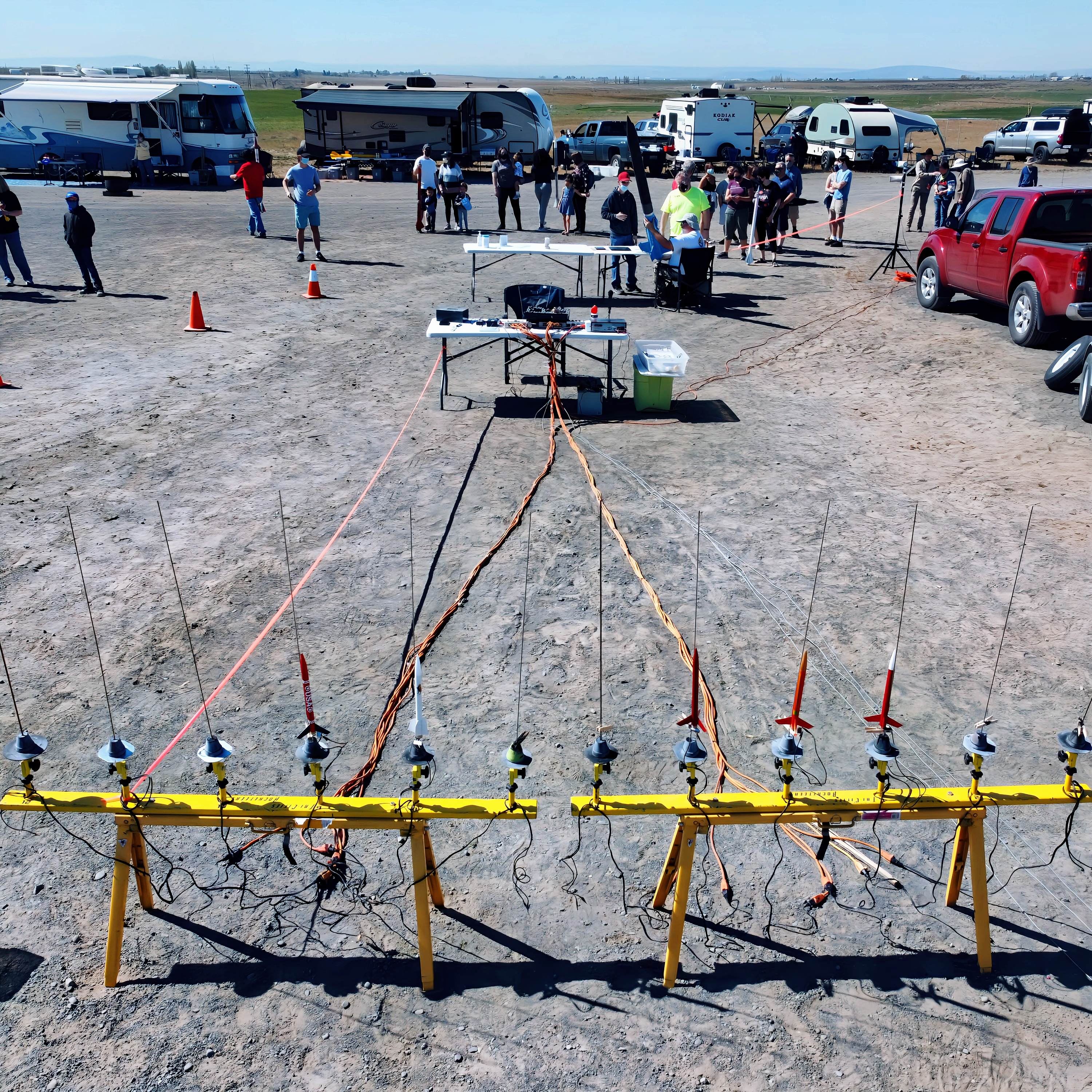
Mapping tools such as county parcel maps and public land databases should be used to determine land ownership. Google Earth can assist with measuring distances, but may not accurately reflect ownership or current site conditions.
All potential sites should be visited in person.
Satellite imagery does not account for obstacles such as power lines, terrain issues, access limitations, or seasonal conditions. Do not trespass when evaluating a site, as this can negatively impact future permission.
Landowner Coordination
Permission from the landowner is required before any operations can take place. When approaching a landowner, be prepared to clearly explain:
- Benefits of outreach and community connection
- What rocketry activities involve
- How operations are conducted safely under the TUSC
- The nature of Tripoli liability insurance
- Expected attendance, including the number of flyers and vehicles
- Frequency of launches
- Any use of off-road vehicles or camping
- Planned facilities such as portable toilets
Tripoli provides liability insurance coverage for sanctioned launches conducted in accordance with TUSC. Landowners can typically be named as additionally insured, which is often a key factor in gaining approval.
Be professional, patient, and respectful. Landowners often have little direct incentive to allow this type of activity, and trust must be built.
Local Authorities and Regulations
In addition to FAA requirements, state and local regulations may apply. These can include fire restrictions, permitting requirements, or other operational limitations.
It is often advisable, and in some cases required, to coordinate with:
- Local fire departments or fire marshals
- Law enforcement agencies
- City or county officials
- Land management agencies (such as BLM or state land offices)
- Proactive communication helps avoid misunderstandings and builds long-term support for continued operations.
Access and Site Logistics
A viable site must be accessible and support safe operations. Consider:
- Road conditions and vehicle access
- Parking layout and capacity
- Emergency vehicle access
- Range layout, including pads, flight line, and spectator areas
- Terrain and recovery areas
- Availability of cell service or communications If participants and equipment cannot safely access and operate at the site, it is not a suitable location, regardless of size.
Range Operations and Staffing
Safe launch operations require defined roles and a structured approach. At a minimum, this includes:
- Prefect or coordinated with TRA HQ delegated Vice Prefect
- Range Safety Officer (RSO) oversight
- Launch Control Officer (LCO) operations
- Verifying current members of Tripoli before accessing the range
- Clear separation between flight line and spectators
- Controlled access to active launch areas
Even small launches benefit from consistent procedures and clearly defined responsibilities.
Prefecture and Organizational Requirements
Launches conducted under Tripoli must be organized through an established Prefecture and led by a Prefect.
All operations must comply with the TUSC, FAA waiver conditions, and any applicable local regulations. Launches must be conducted as sanctioned Tripoli launch in order to fall under TRA insurance coverage.
Documentation
Proper documentation should be maintained for all launch operations. This includes:
- A copy of the FAA waiver and operating conditions
- NOTAM activation records
- Written landowner permission or agreements
- Any required local permits or communications
- Completed Flight Cards during launch operations
- TRA Launch Liability Waiver Form
Having documentation readily available is important for both compliance and liability purposes.
Pulling It All Together
Once you have secured landowner permission, obtained FAA authorization, coordinated with any required local authorities, and established a Prefecture, you are ready to begin launch operations.
All launches must be conducted in accordance with the TUSC, FAA requirements, local regulations, and any agreements made with landowners.
Common Pitfalls - Some of the most common issues encountered when establishing a new launch site include:
- Securing land before confirming viable airspace
- Underestimating the time required for FAA approval
- Failing to plan for fire restrictions or seasonal conditions
- Selecting sites that are too small for intended operations
- Not coordinating with local authorities
- Relying on verbal agreements instead of written permission
Avoiding these issues early can save significant time and effort.
Be safe and have fun!